
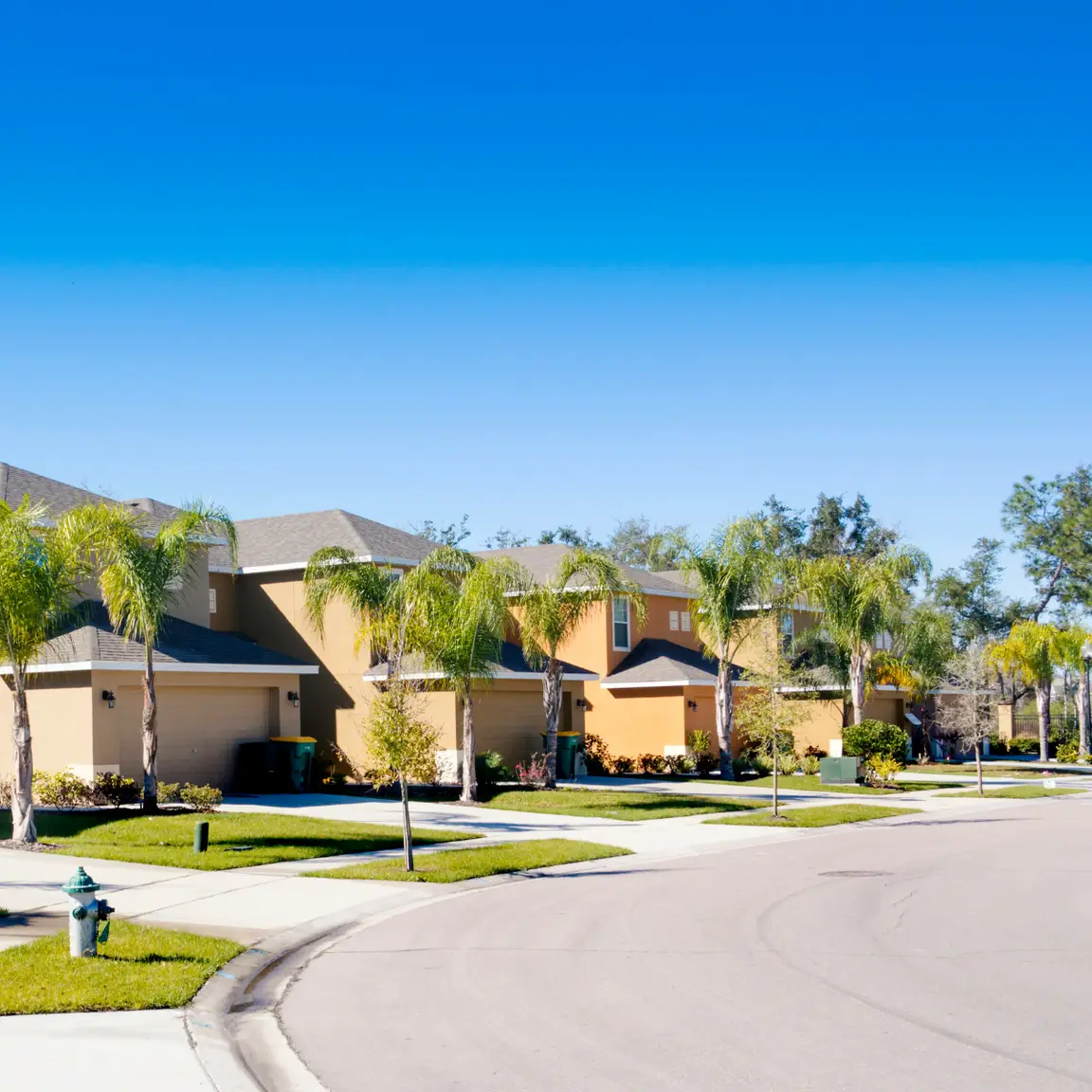
Homeowners’ Associations in Florida: Key Rules and Regulations
Florida Homeowners’ Associations (HOAs) operate under specific rules and regulations that govern the relationship between property owners and community associations. Understanding these regulations is essential for homeowners and investor home buyers in Lakeland and throughout Florida, especially when HOA enforcement actions may impact property ownership rights.
Under Florida law, as well as community governing documents such as the Covenants, Conditions, and Restrictions (CC&Rs), Florida Homeowners’ Associations are granted a range of powers and responsibilities. These documents establish the guidelines, obligations, and rights of both the association and the homeowners within the community.
Florida Statute 720 regulates important aspects of HOA operations, including community standards, assessments, meetings, and enforcement procedures. Florida law also permits HOAs to issue fines and place liens on properties for unpaid assessments or violations of community rules. In certain situations, associations may pursue foreclosure proceedings; however, they must comply with specific legal requirements before taking such action.
For homeowners in Florida, understanding these rights and regulations is critical to avoiding potential disputes and protecting their property interests. Being informed about HOA laws can help homeowners navigate conflicts more effectively, maintain compliance when necessary, and ensure associations do not exceed their legal authority.
Understanding HOA Authority: Legal Rights and Limitations
Can an HOA Legally Take Your House in Florida?
In Florida, Homeowners’ Associations (HOAs) are granted specific legal authority to help maintain community standards, enforce neighborhood regulations, and collect association fees. However, these powers are subject to important legal limitations established by Florida law and the governing documents of each individual association.
Florida HOAs have the right to enforce community rules, issue fines, and pursue unpaid assessments. Florida Statute 720 outlines the authority and responsibilities of homeowners’ associations, including the procedures they must follow when addressing violations or delinquent dues.
While an HOA may place a lien on a property for unpaid assessments, associations cannot legally take your house in Florida, through a non-judicial foreclosure process. HOAs must comply with all legal requirements and follow the proper judicial procedures before foreclosure actions can move forward.
Understanding the Covenants, Conditions, and Restrictions (CC&Rs), along with Florida Statute 720, is essential for homeowners who want to protect their rights and better understand their obligations within an HOA community. Being informed can help property owners respond appropriately to disputes, avoid unnecessary penalties, and recognize when an association may be exceeding its legal authority.
If you have concerns about HOA enforcement, unpaid dues, or potential foreclosure actions, contacting experienced professionals can help you better understand homeowners’ legal rights and restrictions in Florida.
How HOAs Legally Enforce Community Standards and Bylaws
To preserve neighborhood order and protect property values, Florida homeowners associations (HOAs) are authorized to enforce community standards and bylaws. When purchasing a property within an HOA community, homeowners agree to comply with the association’s Covenants, Conditions, and Restrictions (CC&Rs), which outline the rules, obligations, and expectations for residents.
If homeowners violate community rules or fail to remain in compliance with HOA regulations, the association may issue fines or restrict access to certain community amenities and resources. In situations involving unpaid assessments or ongoing violations, the HOA may also place a lien on the property in accordance with Florida law.
In many cases, filing a lien is one of the first legal steps taken before a foreclosure process may occur. However, Florida state statutes regulate the procedures HOAs must follow when enforcing liens and pursuing collection actions. Homeowners are entitled to certain legal protections and due process rights, including receiving proper notice and, in some circumstances, the opportunity for a hearing before enforcement actions are finalized.
By understanding how Florida homeowners associations operate and becoming familiar with their legal rights and responsibilities, homeowners can better protect their property interests and avoid potential issues related to non-compliance with HOA regulations.
Understanding Covenants, Conditions, and Restrictions (CC&Rs)
Understanding your rights is essential when reviewing the Covenants, Conditions, and Restrictions (CC&Rs) within a Florida Homeowners’ Association (HOA). These governing documents establish the framework for community rules and clearly define both the authority of the association and the limitations placed on individual property owners.
The CC&Rs play a critical role in maintaining the visual consistency and functional standards of the community. They address a wide range of requirements, including architectural guidelines, permitted property use, and homeowner responsibilities for the maintenance of both private and common areas.
While these restrictions are designed to preserve neighborhood uniformity and protect property values, non-compliance can result in significant consequences. Florida HOAs may enforce CC&R violations through fines, legal action, and in certain cases, the placement of liens or initiation of foreclosure proceedings.
A thorough understanding of CC&Rs is essential for property owners in Florida, as it helps ensure compliance, reduce the risk of disputes with the HOA, and protect long-term property rights.
HOA Financial Responsibilities: Dues, Assessments, and Penalties
In Florida, residents of association-governed communities, have financial obligations that typically include HOA dues, special assessments, and fines. These payments are collected monthly, quarterly, or annually to support the maintenance of common areas, community amenities, and services that help preserve property values.
Homeowners may also be responsible for special assessments when additional funds are needed for repairs or improvements. Failure to meet these obligations can result in fines, interest charges, and increasing balances over time.
If payments remain unpaid, the HOA may place a lien on the property and pursue further legal action in accordance with Florida law. In some cases, continued delinquency may lead to foreclosure proceedings.
Understanding these financial responsibilities is essential for staying compliant, avoiding penalties, and protecting property ownership rights in Florida HOA communities.
The Effects of Delinquent HOA Payments on Homeowner Relations
In Florida, homeowners’ associations (HOAs) may take action when payments are not made on time. Delinquent payments can impact both your financial standing and your relationship with the HOA.
Missed payments may result in late fees and interest, increasing the total balance owed. Continued non-payment can lead to a lien being placed on the property, which may affect your ability to sell your house for cash in Brandon and surrounding Florida cities or refinance. In more serious cases, Florida HOAs may pursue foreclosure for unpaid assessments following legal procedures.
Understanding Florida HOA laws and acting early can help homeowners avoid escalation and protect their property rights.
HOA Foreclosure Powers in Florida: What Homeowners Need to Know
In Florida, homeowners’ associations (HOAs) hold significant authority, including the ability to initiate foreclosure under certain conditions. Many homeowners in Florida are not fully aware of the extent of this authority, particularly when it comes to unpaid HOA dues, fines, or violations of community rules.
In some cases, an HOA may pursue foreclosure even when a homeowner is current on their mortgage, if HOA-related financial obligations remain unpaid. However, Florida law does provide procedural protections, including required notices and opportunities to resolve outstanding issues before foreclosure can proceed.
Understanding Florida HOA foreclosure laws is essential, as unpaid assessments or continued violations may place a homeowner’s property at risk. Florida homeowners are encouraged to stay informed about their association’s governing documents and applicable state regulations to better protect their property rights and avoid potential enforcement actions.
The Process of HOA Lien Enforcement and Potential Foreclosure Outcomes
- HOA Lien Initiation Due to Unpaid Dues: A homeowners’ association (HOA) may place a lien on a property when an owner falls behind on association dues.
- Nature of an HOA Lien: A lien represents a legal claim against the property to recover unpaid assessments, collection costs, interest, and attorney’s fees.
- Foreclosure Rights in Florida: Under Florida law, HOAs may pursue foreclosure based on unpaid liens in accordance with statutory procedures.
- Required Homeowner Notice: HOAs must provide written notice to the homeowner and allow an opportunity to resolve the outstanding debt before initiating foreclosure.
- Resolution Options: Homeowners may pay the balance in full, negotiate a payment plan, or dispute the debt as part of a foreclosure defense strategy.
- Potential Foreclosure Auction: If the debt remains unresolved, the association may proceed through the court system, which can result in a public foreclosure auction of the property.
- Importance of Early Action: HOAs are required to provide notice and time for resolution, giving Florida homeowners multiple opportunities to address issues early and protect their property interests.
How to Respond to a HOA Foreclosure Notice in Florida
What to Do If You Receive an HOA Foreclosure Notice in Florida:
- Review the Foreclosure Notice: Carefully examine the notice to ensure it is accurate and complies with Florida’s legal requirements for foreclosure proceedings.
- Verify HOA Compliance: Confirm that the HOA has issued all required notices and that the amounts claimed are properly documented and justified.
- Seek Legal Counsel: Consult a real estate or HOA attorney to evaluate the validity of the foreclosure action and to understand your legal rights and available options.
- Explore Defense and Settlement Options: An attorney may assist in identifying potential defenses, disputing improper charges, and negotiating a possible settlement with the HOA.
- Negotiate with the HOA: Direct communication and negotiation may help resolve the matter through payment plans or alternative agreements, potentially avoiding foreclosure.
- Maintain Proper Documentation: Keep detailed records of all payments, correspondence, and agreements with the HOA for reference and legal protection.
- Understand Florida Law: Familiarity with Florida statutes governing HOAs can help homeowners take appropriate steps to protect their property and respond effectively to foreclosure actions.
Protecting Homeowners’ Rights from HOA Actions in Florida
Florida homeowners should have a clear understanding of their property rights in relation to HOA actions. While homeowners’ associations have enforcement authority within their communities, that authority is limited by Florida law and the association’s governing documents.
HOAs may issue fines for rule violations or unpaid assessments; however, foreclosure is a regulated legal process and cannot occur without strict compliance with state requirements. Florida law generally requires HOAs to provide proper notice and an opportunity to cure any violation or delinquency before pursuing foreclosure.
Homeowners should review their association’s Covenants, Conditions, and Restrictions (CC&Rs), as well as the Florida Homeowners’ Association Act, to understand both their obligations and protections. In many cases, disputes can be resolved through negotiation or mediation before escalation occurs.
Consulting with a qualified HOA or real estate attorney can help homeowners protect their rights and ensure that any enforcement actions comply with applicable legal standards.
Strategies for Resolving HOA Disputes and Avoiding Escalation
Follow these key strategies for effective negotiation with your HOA:
- Understand the Governing Documents: Review the HOA’s governing documents to clearly understand your rights, obligations, and the association’s legal limitations before entering negotiations.
- Maintain Professional Communication: Approach board members with calm, respectful, and solution-focused communication to address concerns and encourage cooperative resolution.
- Document All Interactions: Keep detailed records of all correspondence, agreements, and discussions with the HOA to ensure clarity and accountability.
- Consider Mediation: If negotiations reach an impasse, mediation can serve as an effective alternative for resolving disputes in a structured and neutral setting.
- Attend Board Meetings: Participating in HOA meetings can provide valuable insight into decision-making processes and current community issues.
- Manage Emotions Professionally: Maintaining a composed and objective approach can help reduce conflict and support more productive outcomes.
- Foster a Cooperative Relationship: Engaging with the HOA in a collaborative manner rather than an adversarial one can help facilitate quicker resolutions and reduce the likelihood of ongoing disputes.
Legal Recourse for Unfair HOA Practices Florida
Homeowners in Florida who are facing HOA liens or enforcement actions have several legal options available to protect their rights. Understanding applicable HOA laws is essential, as Florida Statute Chapter 720 governs the powers and limitations of homeowners’ associations throughout the state.
If an HOA is believed to be acting outside of its legal authority, homeowners may pursue remedies through regulatory channels, including filing complaints with the appropriate state agencies. Depending on the circumstances, disputes may also be resolved through mediation or arbitration as alternatives to litigation.
In more serious cases, homeowners may have grounds to challenge HOA actions, including claims related to improper or wrongful foreclosure. Consulting with a qualified real estate attorney can help ensure property rights are properly protected and that any HOA enforcement actions comply with Florida law.
Additionally, local advocacy groups and community resources may provide support in navigating disputes and understanding available options for resolving HOA-related issues in accordance with governing documents and state regulations.
Key Preventative Steps to Stay in Good Standing With Your HOA
To maintain good standing with your HOA in Florida:
- Familiarize Yourself with the CC&Rs: Review the Covenants, Conditions, and Restrictions (CC&Rs) to understand the rules governing property maintenance, modifications, and community standards.
- Attend HOA Meetings Regularly: Stay informed about policy updates, rule changes, and decisions that may affect your rights and responsibilities as a homeowner.
- Make Payments on Time: Ensure HOA dues and assessments are paid promptly to avoid late fees, penalties, or potential liens.
- Communicate Issues Early: Address concerns promptly with the HOA and, when necessary, request payment arrangements or clarification before issues escalate.
- Maintain Organized Records: Keep detailed documentation of payments, correspondence, and any interactions with the HOA for future reference.
- Remain Professional and Cooperative: Maintaining respectful communication and compliance with community rules helps foster a positive relationship with the HOA and reduces the likelihood of disputes.
Can an HOA in Florida Take Your House?
Florida law grants homeowners’ associations (HOAs) specific enforcement powers to ensure compliance with community rules and financial obligations. However, the question of whether an HOA can take your house is more nuanced. While an HOA does not directly “take” ownership of a property, it may place a lien on the home for unpaid assessments, fines, or other charges permitted under the governing documents.
If HOA debts remain unpaid, the association may, in certain circumstances, initiate foreclosure proceedings in accordance with Florida law. For this reason, it is essential for homeowners in the Florida area to understand their obligations regarding HOA dues, community rules, and their legal rights.
Because Florida real estate and HOA laws are complex, consulting a qualified attorney is often necessary to fully understand how they apply to a specific situation. Staying informed about HOA regulations can help homeowners avoid escalation, protect their property interests, and reduce the risk of foreclosure due to unpaid obligations or violations.
What Power Does an HOA Have in Florida?
Homeowners’ Associations (HOAs) in Florida have defined legal authority over certain aspects of community governance and property regulation. While homeowners retain ownership rights, HOAs are empowered under Florida Statute Chapter 720 to enforce governing documents, issue fines, and place liens on properties for unpaid assessments or violations of community rules.
In addition, HOAs may regulate architectural standards and community aesthetics to maintain consistency within the neighborhood. However, these powers must be exercised reasonably and in accordance with Florida law. Homeowners in Florida and throughout the state should be aware that while liens may be placed for unpaid dues, foreclosure is generally considered a last resort and must follow strict legal procedures.
Understanding Florida HOA laws is essential for resolving disputes effectively and ensuring that associations act within their legal authority. Homeowners benefit from knowing their rights to help prevent unnecessary escalation and protect their property interests.
What Is the New Law About HOAs in Florida?
In 2023, Florida introduced new legislation aimed at increasing transparency and strengthening homeowner protections within HOA communities. These updates placed additional requirements on associations regarding financial disclosures, notice procedures, and dispute resolution processes.
The law introduced stricter guidelines for how HOAs may impose liens and initiate foreclosure actions, including enhanced notice requirements and mandatory waiting periods before enforcement can proceed. In many cases, homeowners must be given extended notice and opportunities to resolve disputes or participate in mediation prior to any foreclosure-related action.
These legal updates are designed to improve accountability and ensure that HOAs operate with greater transparency and fairness. For homeowners in Florida, understanding these changes is important for protecting rights, addressing disputes effectively, and preventing potential HOA overreach.
Are you looking to sell your house quickly, avoid costly repairs, or simplify the selling process? We are here to help. Our team provides fair cash offers and manages all the details from start to finish to ensure a smooth and straightforward experience.
If you are considering selling your property or have any questions, contact us today at (305) 707-6658 for a no-obligation cash offer. Get started whenever you are ready.